LBHF council bulky waste rules for White City removals: a practical guide for residents and movers
If you are planning a move in White City, bulky waste has a habit of showing up at the worst possible moment. A wardrobe that will not fit through the hallway. A sofa that has seen better days. A mattress you were absolutely sure would be "sorted later". The reality is simple: LBHF council bulky waste rules for White City removals can shape how smoothly your move goes, what you can leave behind, and whether you risk delays, extra costs, or a messy handover.
This guide breaks the topic down in plain English. You will see what counts as bulky waste, how local collection rules usually work, when council disposal makes sense, and when a removal service is the easier route. If you are trying to get a flat, house, or office cleared without drama, this is the sort of thing that saves a lot of hassle. To be fair, it also saves a lot of time.
Expert summary: the best White City move is usually the one planned around access, item type, building rules, and disposal timing. Council bulky waste can help, but it is not always the fastest or most practical option when you are on a move deadline.
- Why the rules matter
- How bulky waste disposal works
- Benefits and practical advantages
- Who needs this guidance
- Step-by-step approach
- Expert tips for better results
- Common mistakes to avoid
- Tools, resources and recommendations
- Law, compliance and best practice
- Options and comparison table
- Real-world example
- Practical checklist
- Conclusion
- Frequently asked questions
Why LBHF council bulky waste rules for White City removals Matters
White City removals often involve more than boxes and a few bags. Shared entrances, tight stairwells, lift bookings, parking restrictions, and end-of-tenancy deadlines can all collide at once. That is where understanding bulky waste rules becomes useful rather than just "nice to know".
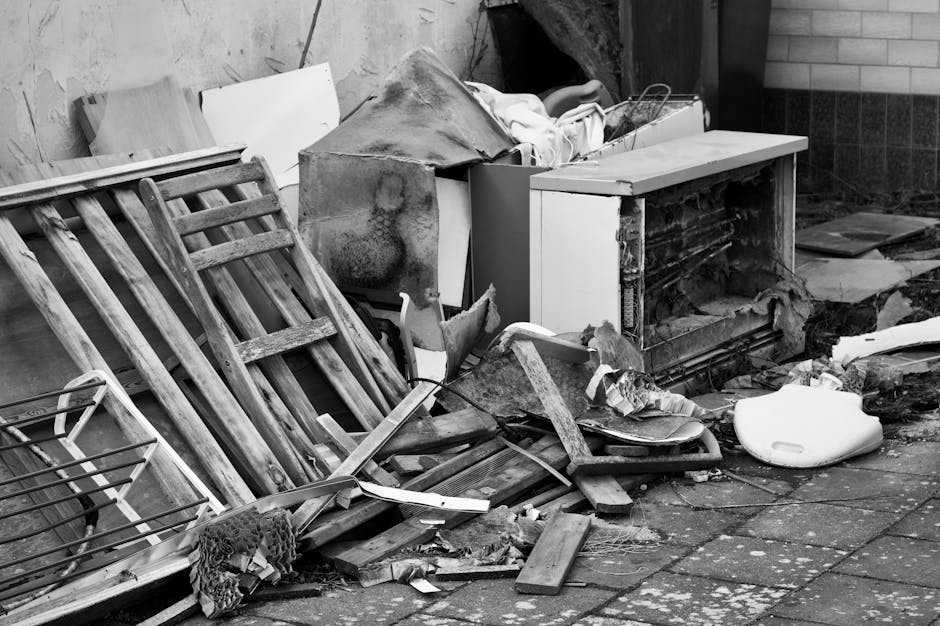
Bulky waste usually means large household items that cannot go out with normal refuse collections. Think sofas, armchairs, wardrobes, tables, chest of drawers, white goods, and other awkward pieces. In a move, these items can quickly become a problem if you leave them to the last minute. Suddenly you are standing in a nearly empty room with one stubborn filing cabinet and a van booked for 8 a.m. tomorrow. Not ideal.
For White City residents, the main issue is timing. A council collection may need to be booked in advance, and the slot might not fit your moving day. If you are leaving a flat, your landlord or letting agent may also expect the property to be cleared completely. A missed item can lead to deductions or complaints, and nobody enjoys that conversation.
There is also the question of access. Some bulky items can be moved out easily with the right equipment and a couple of careful handlers. Others are awkward, heavy, or fragile. In those cases, it may be smarter to use a full removal services option or a smaller man and van arrangement rather than trying to force everything into council collection timing.
Key point: the rules matter because they affect both clearance and compliance. If you get disposal wrong, the move gets slower, messier, and more expensive. Simple as that.
How LBHF council bulky waste rules for White City removals Works
While exact council processes can change, the usual structure is fairly consistent across London boroughs. You identify the items, check whether they qualify as bulky waste, book a collection if the council accepts that item type, and place the waste out correctly for pickup. In some cases, items may need to be separated or presented in a specific way. That part is easy to miss when you are busy packing kettle cords and cardboard boxes at 9 p.m.
For White City removals, the practical question is not just "can this be collected?" but "will this fit the timeline of the move?". A council service may be useful for one or two large items, but if you are emptying a whole flat, a more flexible disposal and transport plan is often better.
Here is the part people often overlook: not every item that is bulky is treated equally. Some items may be accepted, some may have special handling needs, and some may be excluded altogether. If an item is damp, contaminated, dismantled badly, or mixed with loose rubbish, it can become harder to dispose of through the usual route. The smoother you prepare it, the better.
In moving terms, bulky waste is best thought of as one part of a wider clearance plan. A good move usually combines:
- items to keep and relocate,
- items to donate, sell, or store,
- items to dispose of as bulky waste, and
- items that need specialist handling, such as heavy furniture or pianos.
If your move includes special or large pieces, you may also want to look at furniture removals or, for especially awkward items, piano removals. Those services help when a council collection would be the wrong tool for the job.
Key Benefits and Practical Advantages
When bulky waste is handled properly, you get more than just an empty room. You get a cleaner handover, less physical strain, and a lower chance of last-minute panic.
- Cleaner move-out: no abandoned sofa in the hallway, no rogue wardrobe left for "later".
- Better time control: you can schedule collection or removal around the actual move date.
- Less lifting stress: heavy items can be handled with proper equipment instead of improvised dragging.
- Better compliance: you are less likely to leave waste behind or dump something in the wrong place.
- More efficient packing: once large items are gone, the rest of the move becomes easier to organise.
There is also a mental benefit people do not always mention. Emptying a room properly feels like progress. You hear the floorboards again. You see the edges of the room. It sounds small, but on moving day it makes a difference.
From a service perspective, choosing the right support can also reduce total workload. If you need a hybrid solution, a man with van or removal van can be a practical middle ground between doing it alone and booking a larger move.
Who This Is For and When It Makes Sense
This topic is most useful for people moving in or out of White City who have furniture or large items they do not want to take with them. That includes tenants, homeowners, landlords, students, and businesses clearing offices or storage areas.
It is especially relevant if you are:
- leaving a rented flat and need it cleared fully,
- replacing old furniture during a move,
- downsizing and cannot keep everything,
- moving office and need desks, chairs, or cabinets removed,
- dealing with a short deadline and need quick clearance, or
- trying to avoid paying for transport on items you will never use again.
Students often run into this too. End-of-term clear-outs can be surprisingly chaotic. One minute you are carrying books and a desk lamp; the next you are looking at a broken bed frame and wondering why you kept it so long. In that situation, student removals can be useful because the job often needs speed, flexibility, and a bit of common sense.
For commercial customers, bulky waste can appear as part of a relocation or office reset. If that is your situation, commercial moves and office relocation services are worth considering alongside disposal planning.
Step-by-Step Guidance
If you want to keep things simple, use a clear sequence. A move gets much easier when you stop trying to do everything at once.
- List the bulky items. Walk through each room and note what is going, what is staying, and what is waste.
- Check item condition. Some things are worth passing on; others are better disposed of. Be honest here. That scratched bedside cabinet is probably not "vintage charm".
- Separate special items. Identify anything heavy, fragile, or awkward, such as mirrors, wardrobes, or white goods.
- Choose the disposal route. Compare council collection, donation, resale, storage, or removal service support.
- Book around your moving date. Try to align disposal with key milestones like key handover, lift booking, or van arrival.
- Prepare items properly. Dismantle when appropriate, remove drawers if needed, and keep pathways clear.
- Confirm access details. Check parking, stairs, lift use, and loading points.
- Finish with a room check. Look behind doors, under beds, in cupboards, and in the last drawer everybody forgets.
If you are using a removal company for the wider move, it helps to discuss bulky waste at the quotation stage. That way the team can size the job correctly and avoid awkward surprises on the day. A clear quote is usually a better quote, frankly.
For people needing a more flexible solution, you may find removals or house removals more suitable than a standalone disposal plan, especially when furniture, packing, and transport all need to happen together.
Expert Tips for Better Results
In practice, the best bulky waste moves are rarely the ones with the most muscle. They are the ones with the best timing and the least guesswork.
- Measure before you move. A sofa that clears the doorway on paper can still get stuck on the turn of a staircase.
- Book early in busy periods. End of month, school term changes, and bank holiday weeks get busy fast.
- Keep one "decision pile". Put all the uncertain items in one place so you are not rethinking them every five minutes.
- Use the right transport. Large pieces need space and protection, not just enthusiasm.
- Protect common areas. In blocks of flats, a blanket, cover, or careful carry route can prevent scuffed walls and complaints.
A small but useful trick: take photos of items you are unsure about. If you are booking disposal support, the pictures help everyone judge size, weight, and access more accurately. It avoids the classic "it looked smaller in my head" problem. Happens all the time.
If you need packing help too, consider packing and boxes or packing and unpacking services. The fewer loose ends on moving day, the better.
Common Mistakes to Avoid
Most bulky waste problems are not dramatic. They are just a chain of small decisions that go a bit wrong. The good news is they are easy to spot once you know what to look for.
- Leaving disposal until the last day. That is the fastest way to create stress.
- Assuming every large item can go with general waste. It usually cannot.
- Forgetting access constraints. A narrow stairwell can turn one item into a two-person job.
- Not checking building rules. Some blocks restrict collection times or use of lifts for large items.
- Mixing rubbish types together. Clear separation is often simpler and cleaner.
- Underestimating the value of storage. If you are unsure whether to keep an item, a short-term pause can help.
One common mistake, especially in White City, is assuming that the council solution is always the easiest just because it is the official route. Sometimes it is. Sometimes it is not. If you are on a tight schedule or need more than one bulky item removed, a dedicated removal provider may actually save time and energy. The right answer depends on the move, not the theory.
And yes, the old chest of drawers in the corner probably does need a decision now.
Tools, Resources and Recommendations
You do not need fancy tools to manage bulky waste well, but a few practical items make life much easier.
- Measuring tape: essential for doors, halls, lifts, and stair turns.
- Basic screwdriver set: useful for dismantling beds, tables, and flat-pack furniture.
- Strong gloves: helpful for rough edges, splinters, and old fittings.
- Furniture blankets or wraps: good for protecting walls and the item itself.
- Labels or sticky notes: handy for marking keep, dispose, donate, or store.
- Phone camera: use it to document item condition and access points.
There are also a few service pages on this site that fit naturally into a bulky-waste-led move plan. If you need lifting and transport, a man with van setup can be a good fit for smaller jobs. If the move is larger, removal truck hire may give you more capacity. For bigger household moves, home moves can be the broader solution.
For customers who care about disposal standards and responsible handling, the recycling and sustainability page is also worth a look. It aligns with the general expectation that reusable items should be reused where possible, and waste should be handled carefully rather than casually dumped into the nearest solution.
Law, Compliance, Standards, or Best Practice
When bulky waste is involved, the main compliance point is simple: waste must be handled and disposed of properly. That includes avoiding fly-tipping, not leaving items in communal areas without permission, and not placing items out in ways that breach building or collection rules.
In the UK, good practice usually means keeping waste streams sensible, separating reusable goods from true waste, and using a legitimate collection or disposal route. For movers, the practical standard is even simpler: do not leave the next person with your problem.
If you are operating in a shared building, check the lease, building rules, or managing agent instructions before moving bulky items through common areas. That is especially important for lifts, loading bays, and protection of walls or floors. It sounds fussy until you hear the clunk of a damaged skirting board. Then it becomes very real, very quickly.
For business customers, office clearances should also be treated carefully. Confidential materials, electronics, furniture, and general waste may need different handling. If you are relocating premises, the safer approach is to plan disposal as part of the move, not as an afterthought. Office relocation services are especially helpful when the move has multiple moving parts.
Best practice in one line: match the disposal method to the item, the schedule, and the access conditions. That is usually the neatest, least stressful option.
Options, Methods, or Comparison Table
There are usually three realistic ways to deal with bulky items during a White City move: council collection, self-managed transport, or a professional removal service. Each can work. The trick is knowing which one fits the job.
| Option | Best for | Pros | Watch-outs |
|---|---|---|---|
| Council bulky waste collection | A small number of items that fit the booking window | Simple route, useful for basic disposal | May be slower, less flexible, and not ideal for tight moving deadlines |
| Self-managed transport | People with a vehicle, time, and lifting help | Good control over timing | Heavy lifting, access issues, and risk of damage |
| Professional removal service | Moves with furniture, awkward items, or multiple rooms to clear | Flexible, efficient, and less physically demanding | Needs clear booking details and a proper scope of work |
For many White City households, the professional route becomes the sensible one once a move includes stairs, tight access, or more than one bulky item. For flats especially, flat removals often make more sense than trying to solve each large item separately.
If storage is part of the puzzle, perhaps because you are not sure where some items will end up, storage can create breathing room. Sometimes the cleanest decision is to stop forcing every item into one move.
Case Study or Real-World Example
Here is a typical White City scenario. A couple is moving out of a first-floor flat and replacing an old sofa, a mattress, and a wardrobe. The hallway is narrow, the lift is shared, and the new place will not be ready for all the furniture straight away.
At first they assume the bulky items can wait until the end, but that quickly becomes awkward. The sofa blocks the room, the wardrobe needs dismantling, and the mattress cannot simply be "slipped out" during a busy building moving window. In the end, they split the job into three parts: one item sold to a buyer, one item placed for proper disposal, and one item kept for short-term storage.
That approach works because it respects the real conditions of the move instead of pretending every item is the same. The removal day runs more smoothly, the flat is cleared properly, and there is no frantic attempt to drag a sofa across a corridor at the last minute. Honestly, that is the difference between a decent move and a nightmare one.
In jobs like this, the right mix of furniture pick up support and careful planning can make the whole process feel much lighter. Not easy, necessarily. Just lighter.
Practical Checklist
Use this checklist a few days before your move. It is basic, but basic done well beats frantic improvising every time.
- Identify every bulky item in the property.
- Decide whether each item will be kept, donated, sold, stored, or disposed of.
- Measure large furniture against doorways, halls, and stair turns.
- Check whether the building has access rules, lift bookings, or loading restrictions.
- Book disposal or removal support early enough to fit your moving schedule.
- Dismantle items only if that genuinely helps the move.
- Keep screws, fittings, and small parts in labelled bags.
- Protect floors, walls, and communal areas during removal.
- Confirm where each item is going before moving day arrives.
- Do a final room-by-room sweep before handing over keys.
That last check always finds something. Usually a charger. Sometimes a curtain hook. Occasionally the one item you were sure you had already moved.
Get a free quote today and see how much you can save.
Conclusion
LBHF council bulky waste rules for White City removals are worth understanding because they affect more than disposal. They shape timing, access, costs, and the overall stress level of your move. If you treat bulky waste as part of the plan rather than a side issue, everything gets easier.
For a small clearance, a council route may be enough. For a move with stairs, shared access, awkward furniture, or tight deadlines, a flexible removal service is often the smarter fit. The key is matching the method to the reality of your property, not the ideal version in your head.
If you stay organised, measure carefully, and make disposal decisions early, you will usually avoid the worst surprises. And that is a good feeling, especially when the place starts echoing because most of the furniture has finally gone.
There is a calm that comes with a clear room and a well-planned move. You feel it right away.
Frequently Asked Questions
What counts as bulky waste during a White City move?
Bulky waste usually means large items that are too big or awkward for standard household collections, such as sofas, tables, wardrobes, mattresses, and similar furniture.
Can I leave bulky items behind when I move out?
Only if the building owner, landlord, or managing agent has agreed and the item is being handled through an appropriate disposal route. Leaving items behind without permission can lead to problems.
Is a council bulky waste collection always the best option?
Not always. It can be useful for a small number of items, but if you are moving on a fixed date or have several large pieces, a removal service may be more practical.
What should I do with furniture I still want to keep but cannot take immediately?
Short-term storage is often the simplest answer. It gives you breathing space while you decide whether to sell, reuse, or move the item later.
Do I need to dismantle furniture before disposal or removal?
Sometimes yes, sometimes no. Dismantling helps with access and transport, but only if it makes the move safer and easier. Some pieces are better left intact until the team arrives.
What if my bulky item is too heavy for me to move safely?
Do not risk it. Heavy or awkward furniture should be handled with proper lifting support, especially on stairs or in narrow hallways.
Can removal services handle bulky waste as part of a full move?
Yes, that is often the best way to do it. A removal team can manage transport, loading, and disposal planning as one coordinated job.
How early should I plan bulky waste disposal before moving day?
As early as you can. A few days may be enough for a small job, but complex moves should be planned much earlier to avoid clashes with key handover or van booking times.
What happens if an item does not fit through the doorway?
You may need to dismantle it, use a different route, or bring in professional help. This is exactly why measuring in advance matters.
Are office bulky items treated differently from household furniture?
They can be. Office clearances often involve desks, chairs, filing cabinets, and sometimes confidential materials or electronics, so the process should be planned carefully.
Is it better to store or dispose of an item during a move?
If you are unsure, storage can be a smart temporary option. If the item is unlikely to be used again, disposal may be cleaner and more cost-effective.
Where can I get help with a complicated White City removal?
If your move includes bulky furniture, awkward access, or a short deadline, a tailored removal approach is usually best. Services such as removal companies or removal services can help you build a plan that fits the job properly.