Efficient Decluttering Tactics for a Seamless House Move

Introduction
Moving home is one of life's biggest logistical puzzles. Between juggling dates, boxes, utilities, and conveyancing, it's easy for clutter to creep in and take charge of your time (and your budget). The smartest way to regain control is to declutter long before moving day. This guide unpacks efficient decluttering tactics for a seamless house move, blending practical timelines, expert techniques, and UK-specific guidance so you move only what matters--faster, cheaper, and with far less stress.
Whether you're downsizing, relocating for work, or upgrading to your dream home, you'll learn how to plan a methodical pre-move purge, make savvy donation and resale choices, and avoid costly compliance mistakes when disposing of items. Expect a complete framework backed by industry best practice--built to outperform generic checklists and help you make confident decisions.
Table of Contents
- Why This Topic Matters
- Key Benefits
- Step-by-Step Guidance
- Expert Tips
- Common Mistakes to Avoid
- Case Study or Real-World Example
- Tools, Resources & Recommendations
- Law, Compliance or Industry Standards (UK-focused)
- Checklist
- Conclusion with CTA
- FAQ
Why This Topic Matters
Decluttering isn't just about having fewer things. It's about moving smarter. Removal quotes are typically based on volume, access, distance, and labour. If you can reduce your volume by even 10-30%, you can materially cut costs, shave hours off packing time, and minimise the risk of damage or delays on moving day. In a market where average UK household contents can easily fill 25-45 m? in a standard family home, the savings from an efficient, pre-move declutter add up quickly.
Beyond cost, efficient decluttering tactics for a seamless house move protect your mental bandwidth. Fewer decisions under pressure, less dreaded last-minute packing, and a much smoother handover to your removal team. It also ensures you don't bring obsolete items into your new space--so you can start fresh with a home that supports your lifestyle.
Finally, there's a sustainability win. Properly sorting, donating, and responsibly disposing of items reduces waste to landfill and gives a second life to goods you no longer need.
Key Benefits
- Lower removal costs: Removal companies price by volume; fewer cubic metres means a smaller lorry or fewer trips.
- Faster move day: Streamlined loads are quicker to carry, stack, and protect--reducing overtime and stress.
- Less packing material: Fewer boxes, less bubble wrap, and less tape equals lower spend and less environmental impact.
- Better organisation: Only the essentials reach your new home, making unpacking and storage systems easier to set up.
- Higher resale/donation value: Well-timed decluttering lets you monetise quality items and donate effectively.
- Improved safety and compliance: Correct disposal of electricals, chemicals, and documents helps you comply with UK regulations and avoid fines.
Step-by-Step Guidance
This step-by-step plan integrates efficient decluttering tactics for a seamless house move with a practical timeline. Use it as a blueprint and adjust to your schedule.
Phase 1: Strategy (T-90 to T-75 days)
- Define your target volume: Ask your removal company to estimate your current cubic metres (m?). Set a reduction goal (e.g., from 35 m? to 28 m?). A clear metric creates momentum.
- Set category rules: Create keep/donate/sell/recycle rules for each category (clothes, books, toys, kitchenware, paperwork, electronics). For example: "Keep only cookware used monthly" or "Keep books I'll re-read or reference."
- Schedule declutter blocks: Book recurring 90-minute sessions 3-4 times per week. Short, consistent sprints reduce decision fatigue.
- Prepare supplies: Large donation sacks, box labels, permanent markers, a shredding solution, and separate crates for WEEE (waste electrical and electronic equipment) and hazardous items.
Phase 2: Quick Wins (T-75 to T-60 days)
- Clear visible clutter first: Hallways, coffee tables, bathroom counters, and bedside units. Visible progress boosts motivation.
- Apply the 20/20 Rule: If an item can be replaced for under ?20 and in under 20 minutes (and you haven't used it in a year), consider letting it go.
- One-in, three-out policy: For categories you tend to overbuy (e.g., mugs, tote bags), remove three for every one you keep.
Phase 3: High-Impact Zones (T-60 to T-45 days)
- Wardrobes and linens: Sort by season. Keep your best-fitting, most-worn items. Donate or sell duplicates or worn pieces. Vacuum-pack seasonal items you're keeping to cut volume.
- Books and paperwork: Keep reference and sentimental books; sell or donate the rest. For documents, apply the UK retention logic: keep originals of HMRC records (minimum 1-5 years depending on circumstances), property documents, warranties, and certificates. Digitise where appropriate and shred anything with personal data.
- Kitchen: Keep your daily cookware set, one spare of essentials, and appliances used at least monthly. Food: consume, donate unopened in-date items, or dispose of expired goods.
Phase 4: Complex Categories (T-45 to T-30 days)
- Electronics (WEEE): Create a station for cables, chargers, and devices. Match each cable to a device or discard responsibly. Transfer or wipe data, then recycle via compliant channels.
- Toys and hobbies: Set space limits (e.g., one crate per child hobby). Keep best-of-set items; donate the rest. For sports gear, retain what fits and is actively used.
- Garage, loft, shed: Break into zones: DIY tools, garden equipment, seasonal decor, and memorabilia. Keep quality tools and functional gear; responsibly dispose of paint, chemicals, and broken kit.
Phase 5: Pre-Pack and Staging (T-30 to T-14 days)
- Box labelling system: Use room codes (K for kitchen, BR1 for main bedroom), sequential numbers, and colour dots. Create a simple inventory: Box K-07: "Glasses (12), mugs (8), kettle."
- Essentials kit: Pack a 72-hour open-first box for each person (clothes, medication, toiletries, chargers) and a household essentials box (kettle, basic tools, lightbulbs, cleaning products).
- Donation and resale runs: Commit to final donation drop-offs and marketplace collections now to avoid last-minute pile-ups.
Phase 6: Final Cut and Compliance (T-14 to T-3 days)
- Do a 10% reduction challenge: Walk room by room aiming to remove one in ten items from what's left. Focus on duplicates and "just-in-case" items.
- Hazardous and special disposal: Batteries, lightbulbs, paint, chemicals, and out-of-date medicines require compliant disposal--don't load them on the van.
- Secure documents & data: Confirm all sensitive documents are either kept, digitised, or shredded. Wipe devices to factory settings where appropriate.
Phase 7: Move Day (T=0)
- Staging: Place boxes by zone near exits. Keep fragile and high-value items clearly separate and labelled.
- Final sweep: Check lofts, sheds, and built-in cupboards. Photograph empty rooms for your records.
- Meter readings and keys: Record gas/electric/water, store photos securely, and hand over keys as agreed.
By following this T-90 to T=0 plan, you'll apply efficient decluttering tactics for a seamless house move that reduce costs, preserve sanity, and protect compliance.
Expert Tips
- Think in m?, not boxes: A box-only mindset can be misleading. Visualise volume: aim to reduce total cubic metres. Removal teams plan trucks by m?.
- Set "non-negotiables": Identify 5-10 items that will always be kept (e.g., heirlooms, key tools). Decide everything else by utility and joy.
- Use the 5-Second Rule: If you can't name when you last used it within 5 seconds, it's a candidate to let go.
- Photograph sentimental items: Keep the memory without the bulk. Create a digital "legacy album."
- Batch decisions, not rooms: Declutter by category across rooms (all coats, all books). This reduces duplicates and speeds up culling.
- Make the exit easy: Block time for regular donation drop-offs and collections. The faster items leave, the faster momentum builds.
- Tap community groups: Offer usable items locally for free pickup. It's fast, neighbourly, and keeps landfills lighter.
- Pre-book recycling: Some local authorities offer bulky waste collection. Book well ahead to avoid being stuck with large items.
- Protect your back-end processes: Use a simple inventory and photos of valuable items for insurance and claims, should anything go wrong.
Common Mistakes to Avoid
- Starting too late: Decluttering the night before is a recipe for stress and poor decisions. Begin at least 6-12 weeks out.
- Ignoring compliance: Throwing electronics or chemicals in general waste can lead to fines and environmental harm.
- Underestimating sentimental load: Emotions slow decisions. Plan shorter sessions and use the "photograph + favourite subset" approach.
- Overpacking paper: Paper is heavy and bulky. Digitise, then shred confidential waste.
- Skipping a final edit: Most homes can shed an extra 10% in the last week. This often saves a van size or reduces overtime.
- Not measuring furniture: Keep dimensions of key items and check access at the new property. If it won't fit, sell or donate now.
- Mixing categories in boxes: Mixed boxes slow unpacking and increase damage risk. Pack by category and room.
Case Study or Real-World Example
Profile: Family of four, moving from a 3-bed semi in Manchester to a 4-bed in Leeds. Initial removal survey estimated 38 m?. Timeline: 8 weeks to move.
Approach: They applied the T-60-day high-impact blitz. Clothing reduced by 35% (donations and resale), kitchenware by 22%, books by 40% (donation to local causes), and garage items by 50% (recycling, resale, and hazardous disposal).
Compliance actions: WEEE (two laptops, three phones, one microwave) recycled via approved channels; paint and chemicals taken to a civic amenity site; sensitive paperwork digitised and shredded. Upholstered furniture checked; only items with intact fire safety labels were donated.
Results:
- Volume: Reduced from 38 m? to 28.5 m? (-25%).
- Cost: The smaller load moved on a single 7.5t lorry with fewer crew hours. Estimated savings ?700-?1,150 versus the original volume scenario (range reflects access and distance variables).
- Time: Packing time cut by approximately 18 hours due to fewer items and clearer categorisation.
- Sustainability: Over 60 items donated; 100+ kg of materials recycled or responsibly disposed.
Takeaway: Efficient decluttering tactics for a seamless house move can unlock tangible savings, compliance confidence, and a calmer moving day--even on a relatively tight timeline.
Tools, Resources & Recommendations
- Planning and inventory: Notes app or spreadsheet, plus photo inventory of valuables. Use unique box IDs (e.g., K-01, BR1-03).
- Label system: Colour dots per room, bold markers, and fragile tape. Underline priority boxes with red to ensure they're placed last-on, first-off.
- Sorting gear: Heavy-duty donation sacks, clear plastic totes for in-progress categories, and stackable crates for electronics.
- Resale platforms: Local marketplace apps and specialist sites for high-value items (e.g., quality furniture, tech, instruments).
- Donation channels: Local charities and reuse organisations. For furniture with upholstery, confirm fire-safety labels are present.
- Recycling & disposal: Civic amenity sites; authorised WEEE recycling points; household battery and bulb collection points; pharmacies for medicine returns.
- Shredding: Home cross-cut shredder for modest volumes or a professional shredding service for bulk/confidential archives.
- Measuring tools: Tape measure and door/landing measurements for both properties to validate furniture fit.
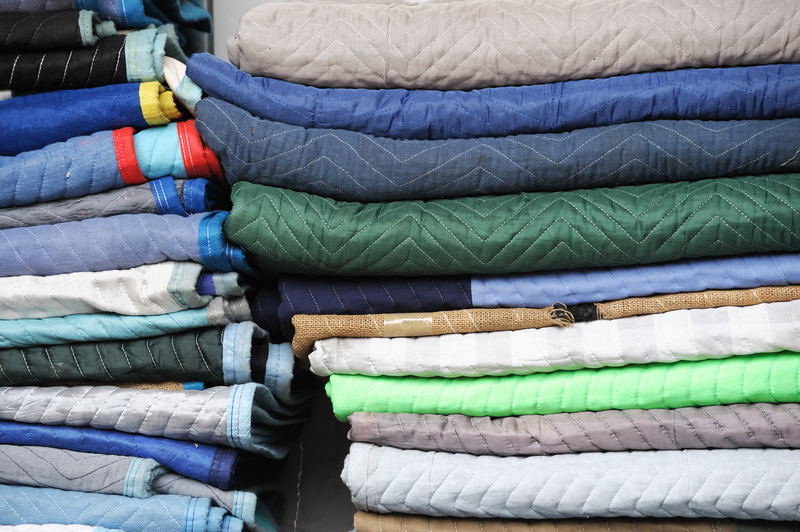
- Protection: Mattress and sofa covers, TV boxes, corner guards, and moving blankets to protect what you keep.
Law, Compliance or Industry Standards (UK-focused if applicable)
Decluttering intersects with several UK regulations and best-practice standards. Staying compliant protects you legally and environmentally.
- WEEE Regulations (UK): The UK Waste Electrical and Electronic Equipment Regulations require responsible disposal of electronics (e.g., TVs, computers, phones, microwaves). Retailers often offer take-back; local recycling points accept WEEE.
- Duty of Care for Waste: Under UK waste law, you're responsible for ensuring your waste is transferred to an authorised person and handled properly. If you hire a clearance service, verify they are a licensed waste carrier with the relevant authority. Keep receipts or waste transfer notes.
- Furniture and Furnishings (Fire) (Safety) Regulations 1988 (as amended): Donating upholstered furniture requires intact fire-safety labels. Charities may refuse items without them.
- Data protection and confidentiality: Personal data in documents and devices must be securely disposed of. Follow ICO guidance: shred paper records and wipe or destroy data on devices before disposal.
- Hazardous waste: Paint, solvents, pesticides, and certain cleaning agents are typically classed as hazardous. Use approved civic amenity facilities; do not place in general waste or removal loads.
- Medicines: Return unwanted or expired medicines to a pharmacy. Do not throw them in household waste or pour them down the drain.
- Textiles and donations: Ensure items are clean and safe. Some charities can claim Gift Aid on your donations--ask at drop-off to maximise impact.
- Removals industry standards: Look for firms adhering to British Association of Removers (BAR) codes of practice, and ensure sufficient Goods in Transit and Public Liability insurance.
- Tax considerations: In the UK, moving costs are generally not tax-deductible for individuals (with limited exceptions). Budget accordingly.
Important: Regulations and local services vary by council. Always confirm current rules with your local authority or relevant regulator before disposal.
Checklist
Use this concise checklist to apply efficient decluttering tactics for a seamless house move with confidence.
Planning
- Target m? reduction set and timeline mapped (T-90 to T=0)
- Category rules written (keep/donate/sell/recycle)
- Declutter sessions scheduled and supplies ready
Execution
- Quick wins done (surfaces, duplicates, expired items)
- High-impact areas tackled (wardrobes, kitchen, books, paperwork)
- Complex categories addressed (electronics, toys, garage/loft)
- Final 10% reduction sweep completed
Compliance & Disposal
- WEEE separated and routes arranged
- Hazardous materials identified and scheduled for proper disposal
- Documents digitised and shredded
- Charity donations accepted and labelled (fire labels intact on upholstery)
- Receipts/waste transfer notes kept
Packing & Move Day
- Room-coded, numbered boxes with simple inventory
- Open-first boxes for each person + household essentials
- Measurements confirmed for large furniture at new home
- Photos of valuables and meter readings taken
- Final property sweep completed
Conclusion with CTA
Decluttering is the highest-return move task you can do. It reduces volume, speeds packing, and streamlines move day while keeping you compliant and confident. By shifting from ad-hoc sorting to a planned, category-based approach and focusing on m? reduction, you'll realise measurable savings and a calmer transition into your next chapter.
Use the timeline, apply the rules, and keep your exit channels clear. The result is more than a tidy home--it's a strategic, stress-managed relocation that works for your budget and your wellbeing.
Get a free quote today and see how much you can save.
FAQ
How far in advance should I start decluttering before a move?
Begin 8-12 weeks before moving day. This gives you time to reduce volume, arrange compliant disposal, and manage donations or resale without last-minute pressure.
What's the fastest way to make a noticeable impact?
Target visible surfaces and duplicates first, then tackle wardrobes and the kitchen. These areas typically yield the largest, quickest reductions in both volume and decision load.
How do removal companies price, and how does decluttering help?
Quotes largely hinge on volume (m?), distance, access, and labour. Cutting volume by 10-30% can reduce the required vehicle size or crew hours, saving significant money.
What should I do with old electronics and cables?
Wipe or transfer data, then dispose via authorised WEEE channels. Match cables to devices; recycle unneeded cables rather than packing a tangle that won't be used.
Can I donate upholstered furniture without a fire label?
Generally no. In the UK, charities require intact fire-safety labels on upholstered items. Without the label, most will not accept the item for safety compliance reasons.
How do I declutter sentimental items without regret?
Select a small, curated subset to keep, photograph the rest, and create a digital memory album. Time-limit decisions and avoid revisiting the same items repeatedly.
What should go in my open-first box?
For each person: 72 hours of clothes, toiletries, meds, chargers, and essentials. For the home: kettle, mugs, basic tools, bulbs, cleaning kit, and important documents.
Is it worth selling items, or should I donate everything?
Sell higher-value or in-demand items (quality furniture, tech, instruments). Donate the rest to save time. Set a cutoff date--if it hasn't sold, donate it to keep momentum.
How do I safely dispose of paint, chemicals, or old medicines?
Use approved local facilities for hazardous waste and return medicines to a pharmacy. Never place them in general waste or mix them into your removal load.
How can I prevent packing mistakes?
Pack by category and room, label with codes and numbers, and keep a light inventory. Avoid mixed-category boxes, overpacking heavy boxes, and skipping fragile labeling.
What if my furniture won't fit the new home?
Measure large items and access points at both properties in advance. If sizing fails, sell or donate before the move to avoid unnecessary costs and complications.
Are moving costs tax-deductible in the UK?
Generally no for private individuals. There are limited exceptions (e.g., certain employment relocations), but most people cannot claim moving expenses.
How do I ensure data security when decluttering?
Shred paper records containing personal information. For devices, back up, then factory reset or securely wipe drives before disposal or resale.
What's a realistic decluttering goal for a family home?
Many households can reduce volume by 15-30% with a structured approach. Use a target m? reduction to guide decisions and track progress.